 UK and Ireland dates
 USA and Canada dates
 Australia and NZ dates
 Rest Of World dates
 Featured Testimonials
 THOR on Facebook
 THOR on Twitter
 THOR on LinkedIn
 THOR on Instagram
 THOR on YouTube

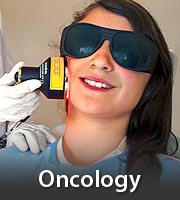
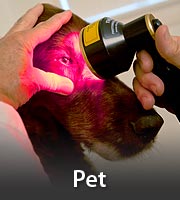
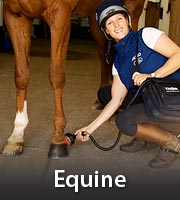
"Our Vision: Photobiomodulation (PBM Therapy) in every department of every hospital, every doctor's office (clinic) and every home ...Drug free pain relief and better healing through 'best in class' photomedicine products and services."
James Carroll - THOR Photomedicine CEO
INTRODUCTION:
THOR has over 5,000 customers in pioneering clinics and hospitals in more than 70 countries and is the only company with FDA, CE, TGA and NATO clearance, and we are also listed on GSA, and eCAT in the United States for government purchases. Since 1993 THOR has built an unprecedented and unparalleled Research and Development pedigree with many of the world's leading Universities. Around the world these animal and human healthcare professionals have published over 700 Randomised Controlled Trials using LED and 3b Laser devices and over 7,000 publications altogether.
Photobiomodulation (PBM Therapy)
-
What is PBM?
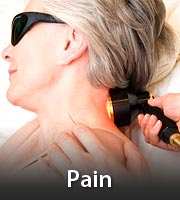
Photobiomodulation (PBM Therapy) previously known as Low Level Laser Therapy (LLLT) is a laser or LED light therapy that improves tissue repair (skin wounds, muscle, tendon, bone, nerves), reduces inflammation and reduces pain wherever the beam is applied. Usually applied by a doctor, therapist or technician, treatments typically take 1 - 10 minutes and should be applied two or more times a week. Pubmed refs -
How it works?
PBM works predominately on a protein in mitochondria (cytochrome c oxidase) to increase ATP and reduce oxidative stress. A cascade of mitochondrial and intracellular downstream effects lead to improved tissue repair and reduced inflammation. Pubmed refs -
How much is enough, how much is too much?
There is a dose response: not enough power density and there is no effect, too much and there can be inhibitory effects which can slow down healing and lose the anti-inflammatory effects. Pubmed refs -
The analgesic mechanism
This depends on an PBM overdose; Higher power density PBM >300mW/cm² reduces ATP production in C fibres and A delta fibres resulting in an immediate neural blockade lasting up to approx 24 hr. Pubmed refs -
So there are actually TWO kinds of PBM ?
Yes, high power density is necessary for analgesia and deep tissue targets, low power density (< 100mW/cm²) is necessary to promote healing and reduce inflammation in superficial wounds, tendons and joints (the target is the synovia not the joint). THOR do both high and low power density for best healing, deep penetration and analgesia. Read more about class IV lasers, 3B lasers, LEDs and dose here
The progress of Photobiomodulation Therapy towards mainstream acceptance
- 2019 - Multinational Association for Supportive Care in Cancer (MASCC) guidelines recommend PBM treatment for the prevention of oral mucositis. Click here
- 2018 - National Institute of Health and Care Excellence (NICE) guidance for the UK NHS recommends laser therapy for oral mucositis. Click here
- 2017 - UK NIHR funded RCT on the Clinical and Cost Effectiveness of Low Level Laser in the Management of Oral Mucositis in Head and Neck Cancer Irradiation, 10 NHS hospitals, 380 patients in progress. Click here
- 2017 - Low Level Laser improves survival of head and neck cancer patients. Click here
- 2017 - American College of Physicians Guidelines include a "strong recommendation" for Low-Level Laser Therapy as a non-invasive Treatments for Acute, Subacute & Chronic Low Back Pain. Click here
- 2016 - BMJ PBM for chronic non-specific low back pain: a systematic review and meta-analysis of randomised controlled trials found "moderate quality of evidence" and "clinically important benefits" in the short term. Click here
- 2014 - 30% reduction of the costs of hospitalisation in PBM Oral Mucositis patients. Click here
- 2014 - MASCC guideline revisions recommend use of PBM to reduce the incidence and severity of Oral Mucositis. Click Here.
- 2013 - Journal Applied Oral Science. TMJ Systematic review "it seems clear that the use of laser brings benefits when properly applied and administered". Click Here.
- 2012 - Multinational Association for Supportive Cancer Care (MASSC) systematic review recommends PBM for oral mucositis. Click here
- 2011 - European Society for Medical Oncology (ESMO) systematic review suggest PBM for reducing duration and severity of oral mucositis. Click here
- 2011 - British Medical Journal (BMJ) Clinical Guidelines for tennis elbow "Likely to be beneficial for short-term pain relief & improvement of function". Click here
- 2010 - The International Association for the Study of Pain (Global Task Force on musculoskeletal pain) recommend laser for myofascial pain syndrome. Click here
- 2010 - British Journal of Sports Medicine, systematic review of surgical and conservative interventions for frozen shoulder found "strong evidence" for PBM. Click here
- 2010 - American Physical Therapy Association guidelines recommend PBM for Achilles tendonitis. Click here
- 2009 - The Lancet "PBM reduces pain immediately after treatment in acute neck pain and for up to 22 weeks in patients with chronic neck pain". Click here
- 2008 - World Health Organisation (Bone and Joint Task Force) recommended PBM for neck pain. Click Here
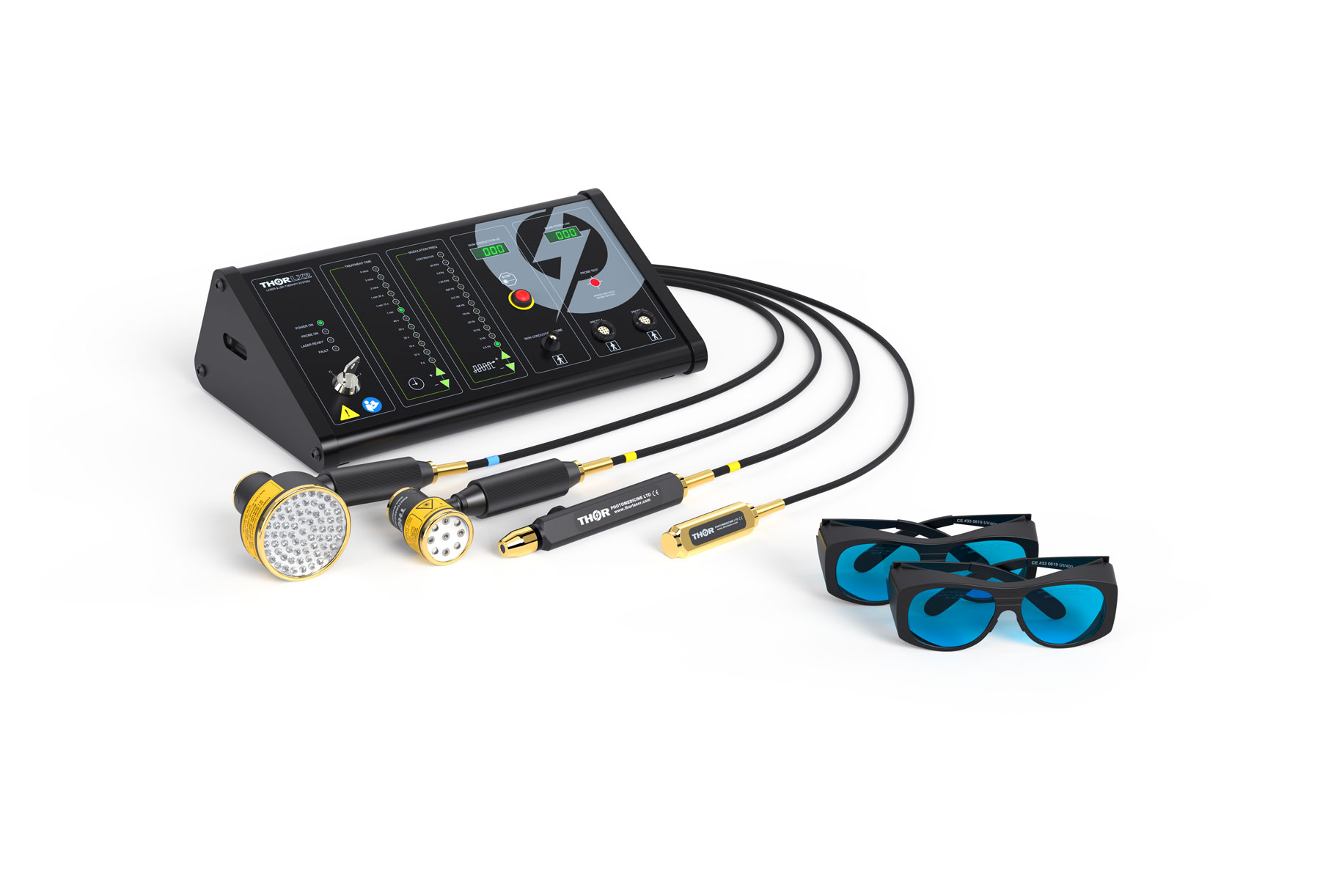
Prices from US$16,000 to US$40,000 (£12,495–£31,995 + VAT)
Course Testimonials - Read more
Congressional Briefing Highlight Video
THOR CEO presents at the United Nations
Training with THOR Photomedicine
Talking Evidence with THOR Photomedicine
Product information and purchase enquiry
Sorry for the long form.
We are a global company and our computer needs to know who to direct your enquiry to.
* Mandatory field - this automatically directs your enquiry to the correct department
THOR Photobiomodulation Newsletter
See previous edition. Please add me to the THOR training, research and conference Newsletter.




"An excellent Photobiomodulation course thanks James. Loved the entire course."
Dentist
Missoula MT, USA
"Class was amazing!!!!!! I honestly would like to take that again! I absolutely loved this class, my limited experience with my THOR Laser, Sarajane's help and the amazing potential to help people! I am so excited about THOR and Photobiomodulation Therapy!!!"
Doctor of Dental Surgery
Gillette WY, USA
"The training course was extremely thorough in reviewing papers and uses, I am WOW'd! Thank you for everything, your dedication and passion is so appreciated. Great first day of my learning journey in this space :)"
Dentist
Los Angeles CA, USA
"I like the course information from the research, the testimonies, and the humor. I am so grateful for this dedication to treatment through a more natural means. Thank you all for working so many years to bring this to those in pain, with wounds and more."
Registered Nurse
Longmont CO, USA
"Really enjoyed and benefited from this training. For something remote this was excellent. Ticked all the boxes for me. Thanks so much. Very engaging and covered all the science as well as the practical side of treatment. Thank you so much."
Endodontist
Farnham Surrey, UK